Emo Vinyl Records: From D.C. Hardcore Roots to Revival Color Variants
Why emo belongs on vinyl
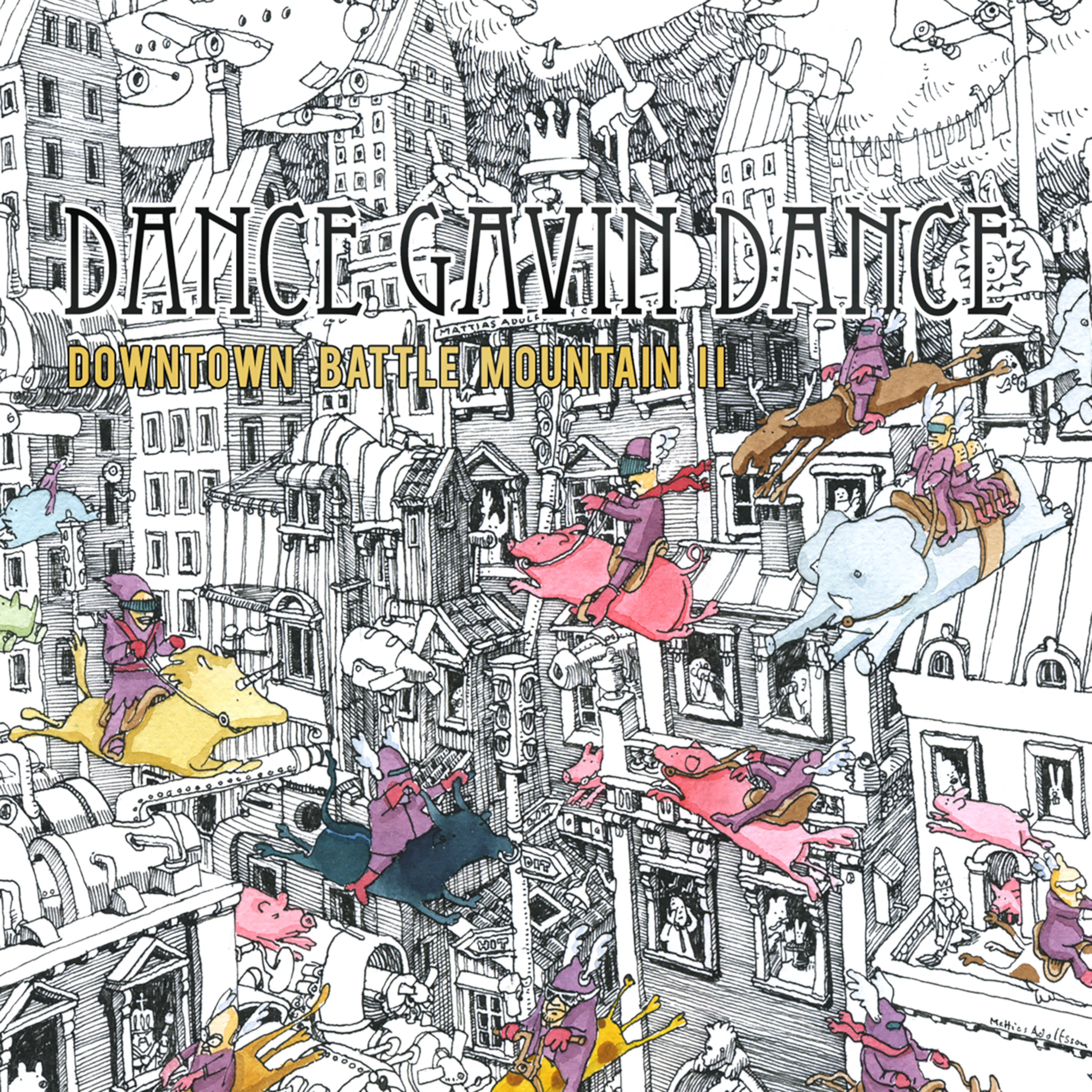
This page gathers the emo vinyl records listed on Vinyles.com, each with offers from several partner stores so you can compare prices before you buy. Emo grew out of punk and hardcore scenes where records always mattered: small independent labels, hand-assembled sleeves, short runs sold at shows. Many of the genre's key 90s albums came out on tiny labels and only got proper LP reissues years later. The collection sits inside the site's Alternative section, with artists such as Bright Eyes, AFI and Dance Gavin Dance showing how wide the style runs, from confessional folk to post-hardcore.
Original pressing, reissue or color vinyl?
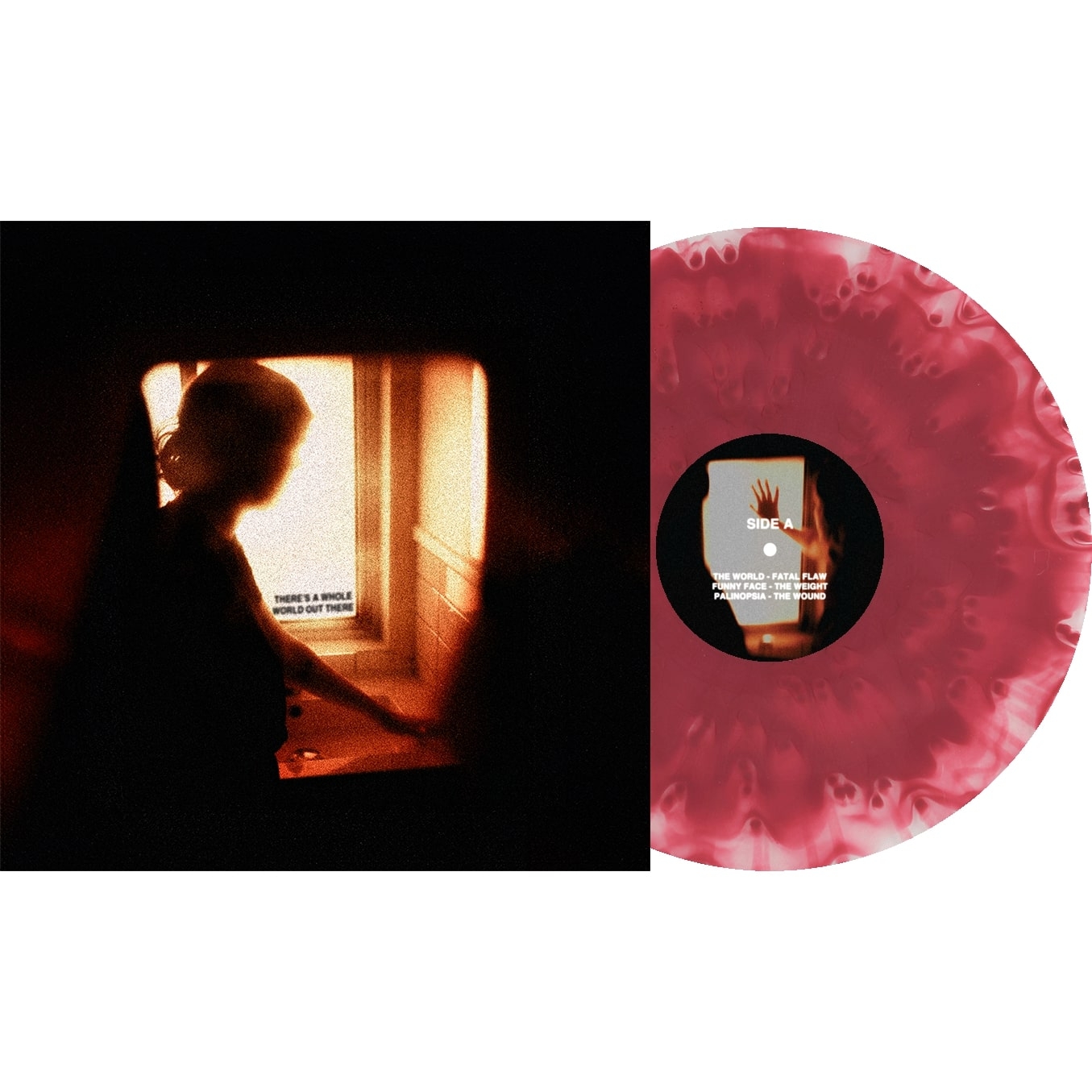
Period pressings on Dischord, Jade Tree or Polyvinyl are sought after and often pricey on the used market. For listening, a recent official reissue is usually the best value. Revival-era labels like Topshelf Records and Run For Cover release plenty of color variants and limited editions, so the same album can show up in several versions at different prices from one store to the next.
- Make sure it is an official release, not an unauthorized pressing
- Check which variant (black, color, marble) the listing refers to
- For used copies, ask about record and sleeve condition
- Compare the total price including shipping
Essential emo albums, wave by wave
In mid-80s Washington, D.C., bands like Rites of Spring and Embrace laid the groundwork for what was then called emotional hardcore. The 90s brought a more melodic sound: Sunny Day Real Estate's "Diary" (1994) on Sub Pop and American Football's 1999 debut on Polyvinyl are still cornerstones, alongside Cap'n Jazz and Mineral.
In the early 2000s, emo went mainstream with Jimmy Eat World's "Bleed American" (2001), then Brand New, Taking Back Sunday and My Chemical Romance, whose "The Black Parade" (2006) introduced the genre to a whole generation. The 2010s revival brought back the interlocking guitars of the 90s sound, with bands such as