Avant-Garde Vinyl: Free Jazz, Minimalism and Experimental Records
What counts as avant-garde vinyl?
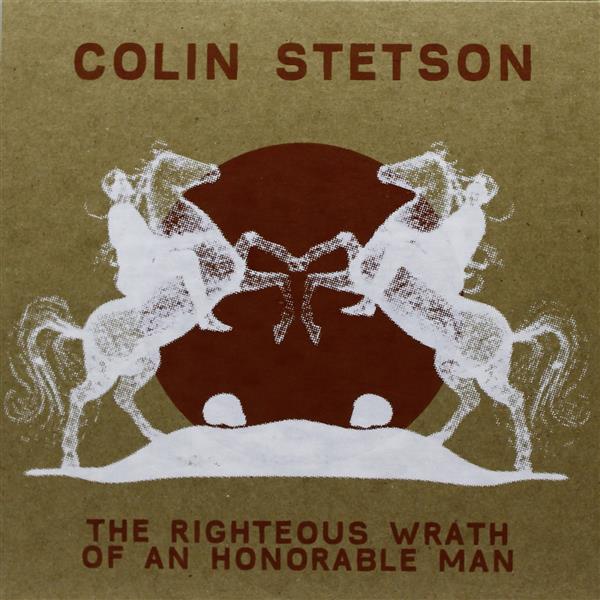
Avant-garde vinyl covers records that deliberately break with standard forms: free jazz, musique concrète, repetitive minimalism, no wave, solo saxophone built on circular breathing, noise-leaning rock. It is an attitude more than a sound. The catalog here reflects that range, from The Young Gods, the Swiss band that built rock around samplers, to Lydia Lunch and New York no wave, Colin Stetson's saxophone pieces, and Scott Walker's late, uncompromising albums.
Vinyl makes real sense here. Many of these works were conceived as side-long pieces of around twenty minutes, with silences, slow builds and wide dynamics that reward focused listening rather than shuffle play. Dropping the needle, taking in a full side and flipping the record is often the best way into music that asks for your attention.
Original pressings vs reissues: buying experimental records
Original free jazz and musique concrète LPs are often scarce, expensive and in unpredictable condition. A good reissue is usually the smarter buy, as long as you check the source: a cut from the original analog tapes beats a pressing made from a CD master. Labels worth following depend on the current: ECM for minimalism and chamber jazz, Blue Note and its Classic Vinyl series, which also reissues the label's 1960s avant-garde titles, Constellation or International Anthem for today's scene.
Quiet surfaces matter more than usual, since hiss, crackle or a noisy groove stands out immediately in sparse passages and long silences. For used copies from independent sellers, ask about the vinyl grade and not just the jacket, and be careful with vague listings for sought-after titles, where unofficial repressings also circulate.
Essential avant-garde albums on vinyl
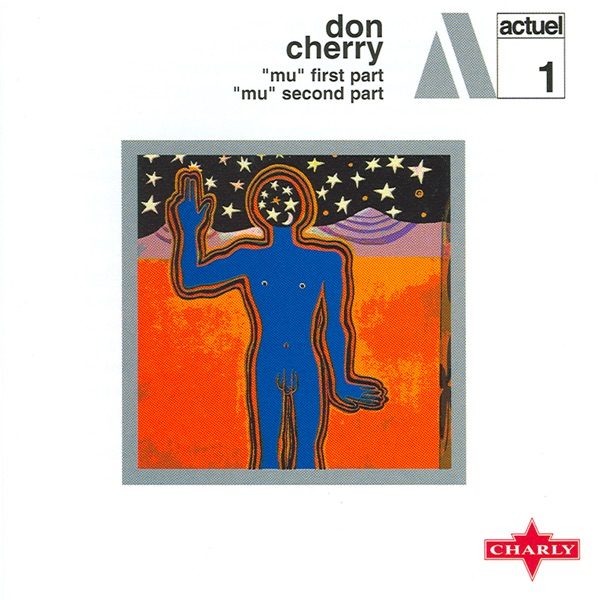
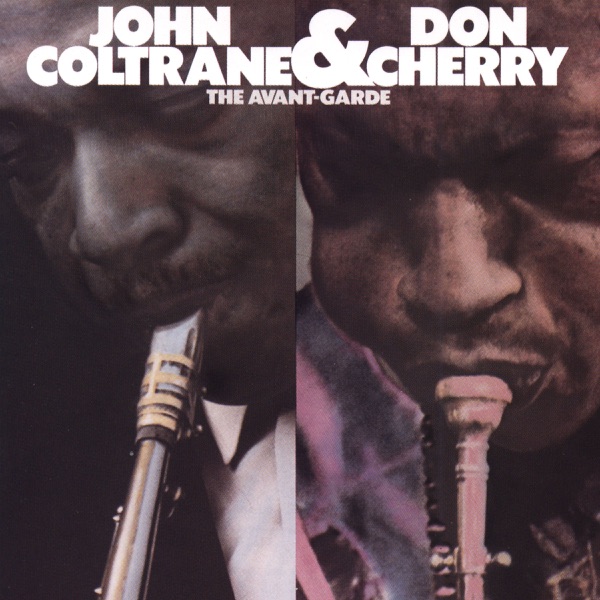
A few landmarks are widely agreed on and easy to find as reissues. On the jazz side, Don Cherry's records, Grachan Moncur III's "Evolution" and "The Avant-Garde" by John Coltrane and