
01Recording
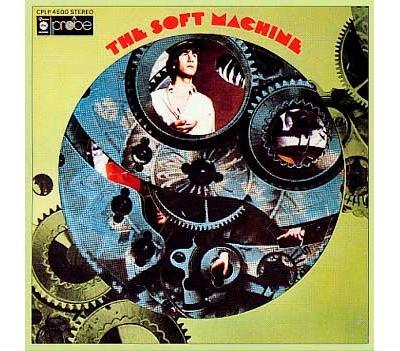
1968 debut album recorded in New York
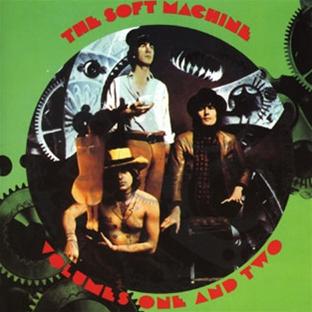
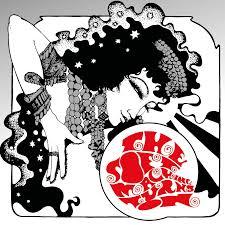
Soft Machine's self-titled first album was recorded in April 1968 in New York, featuring the original lineup except Daevid Allen who left before its release.
Artist profile · 04/07/2026
About
Formed in 1966 by Robert Wyatt, Mike Ratledge, Daevid Allen, and Kevin Ayers, Soft Machine quickly became a key figure in progressive rock and the Canterbury scene. Initial recordings leaned towards psychedelia with early albums crafted in New York and later explorations expanded their sonic palette towards jazz-rock and fusion. Wind changes in personnel notably impacted their musical direction, including departures of founding members throughout the early 1970s. With a catalog spanning studio and live albums, the band has been associated with intricate compositions and improvisation, often merging elements of jazz, rock, and experimental music.
Discography
Studio albums, live records, compilations and radio recordings. Each album groups all its editions.
Data provided by Discogs
Listen
 PriscillaJoy of a ToyA Certain KindWhy Am I So Short?Hope For HappinessSave YourselfMoon in JuneWe Did It Again
Essentials
Our picks, approved by the editors.
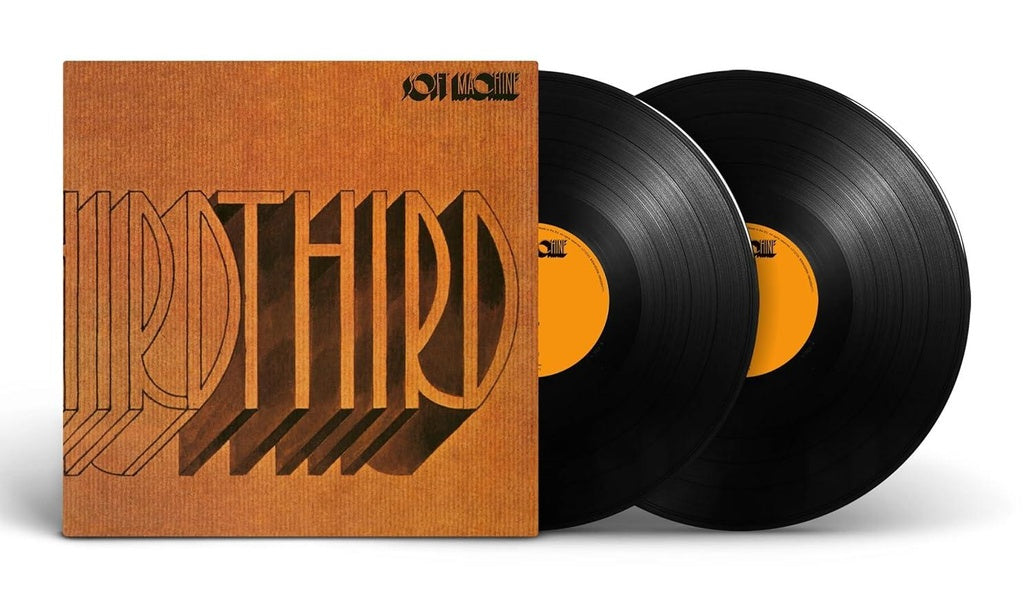 #1 · 1970
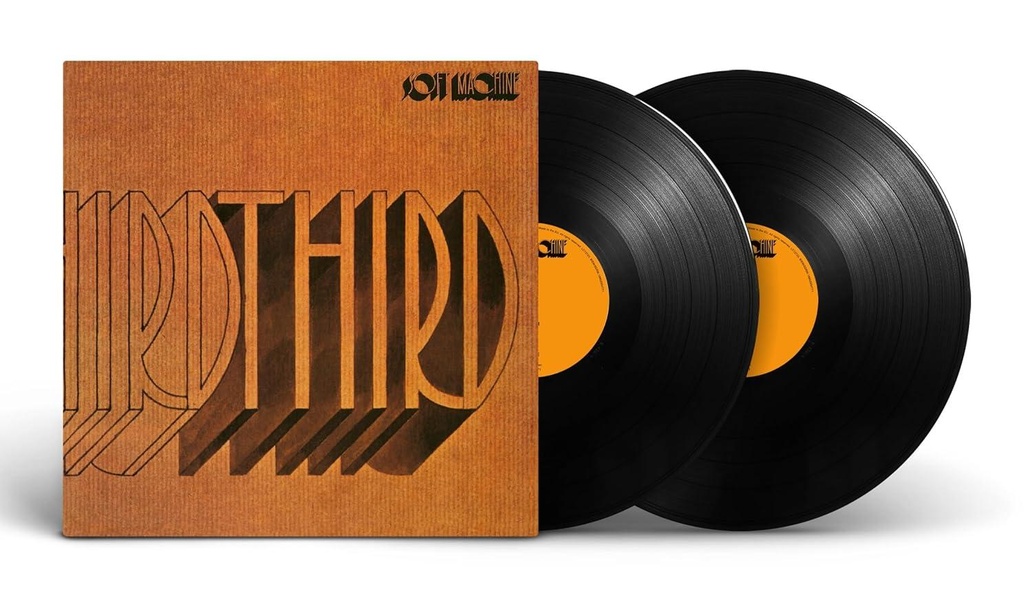
A hallmark double album blending jazz-rock and psychedelic elements, featuring expansive compositions like 'Moon in June' and 'Out-Bloody-Rageous'.
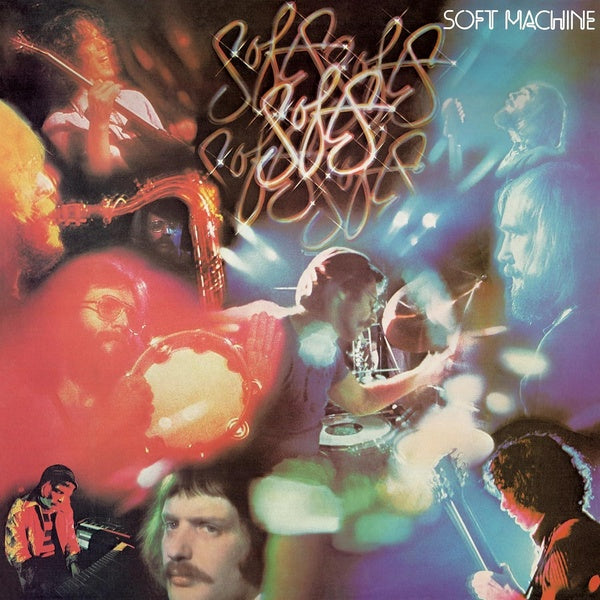 #2 · 1976
Emphasizing jazz-rock fusion with tracks like 'The Tale Of Taliesin', this album presents complex arrangements reflecting a matured sound.
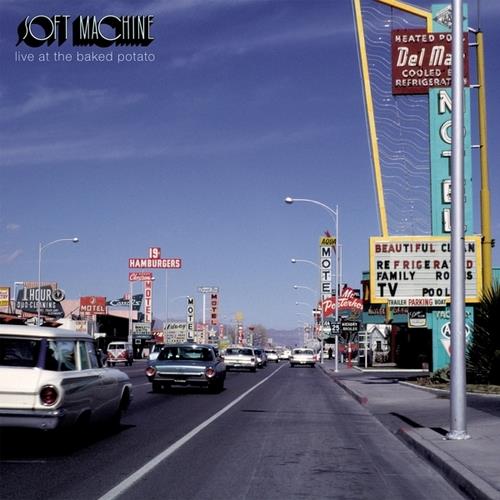 #3 · 2020
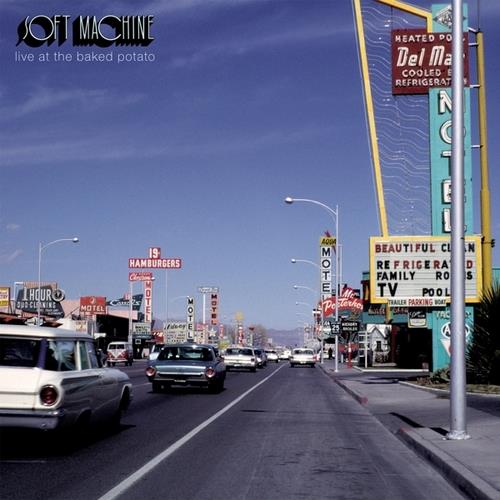
Contemporary live recording capturing the band's jazz-rock energy and improvisational prowess, limited edition with notable demand from collectors.
Go further
Artists who share part of Soft Machine's musical DNA.
B-side
Studio secrets, tour stories and B-sides worth the whole album.
Soft Machine's self-titled first album was recorded in April 1968 in New York, featuring the original lineup except Daevid Allen who left before its release.
Early in 1969, bassist Hugh Hopper joined the band replacing Kevin Ayers, marking a key change in the line-up during their formative years.
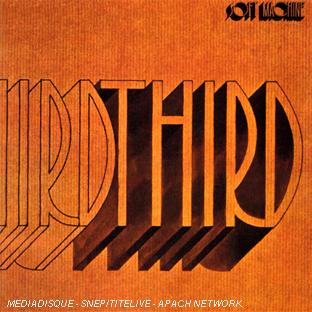
The double album 'Third' released in 1970 showcases the band's move towards jazz-rock and progressive rock with extended instrumental pieces, including 'Moon in June' by Robert Wyatt.
Robert Wyatt's departure in 1971 marked the end of the original psychedelic phase of Soft Machine.— Musical chronicles
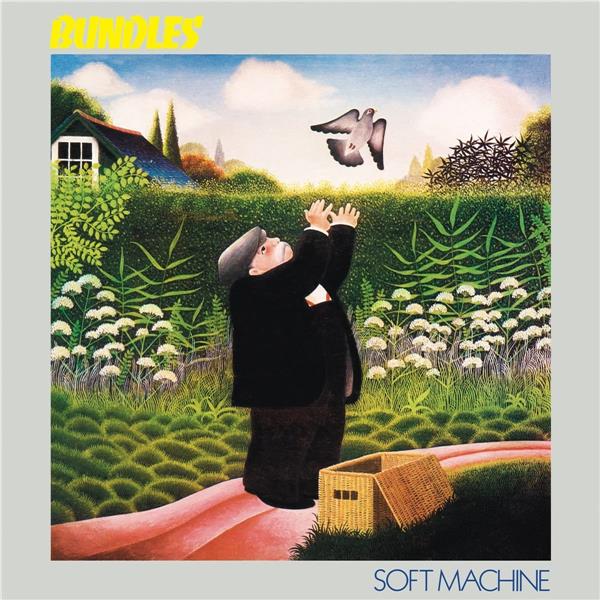
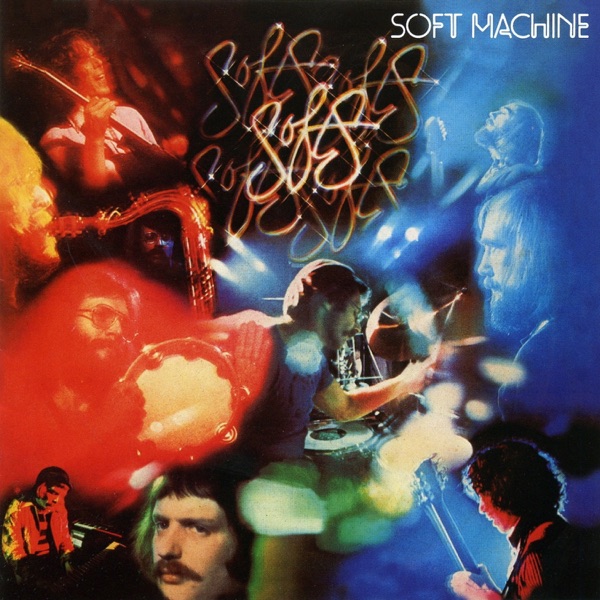
The 1976 UK Harvest label pressing of 'Softs' is prized for its rich jazz fusion sound and continues to attract vinyl collectors.
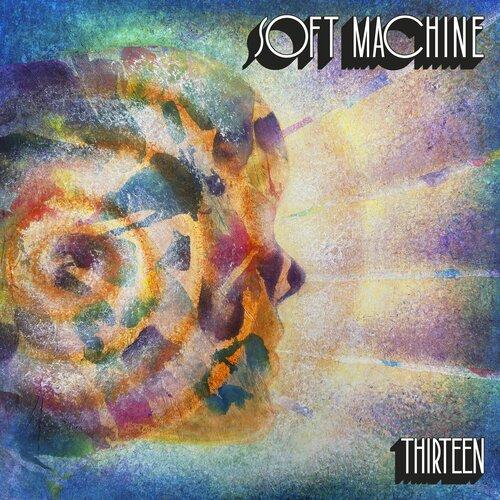
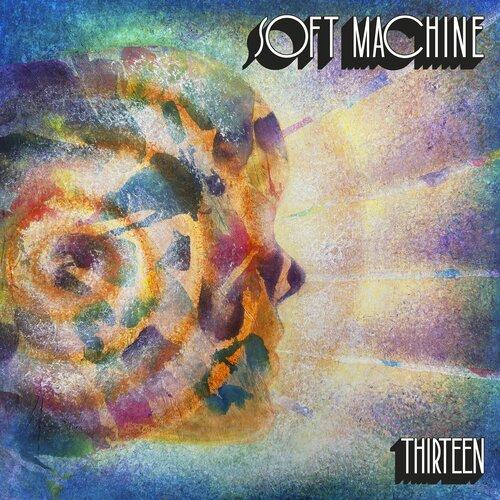
Soft Machine continues to release new material with the forthcoming 2026 studio album 'Thirteen,' blending jazz-rock and fusion styles, pressed on vinyl in the UK by Dyad Records.
$24.99
View on Amazon$9.99
View on Amazon$27.99
View on Amazon$24.99
View on Amazon$19.99
View on Amazon$31.99
View on Amazon$29.99
View on Amazon$21.99
View on Amazon$39.99
View on Amazon$16.99
View on Amazon$24.99
View on Amazon$94.99
View on Amazon$21.99
View on Amazon$19.99
View on Amazon$12.99
View on Amazon$14.99
View on Amazon$17.99
View on Amazon$21.99
View on Amazon$29.99
View on AmazonFAQ
The most common questions about pressings, reissues and limited editions.
Soft Machine was formed in 1966 in Canterbury, United Kingdom, marking the start of their influential journey in prog rock and jazz fusion.
'Third' (1970) is considered essential, featuring a double LP format with jazz-rock fusion and progressive compositions valuable for collectors.
Yes, some releases like 'Live At The Baked Potato' (2020) come as limited edition numbered vinyl, appealing to collectors and audiophiles.
Soft Machine primarily blends progressive rock, psychedelic rock, and jazz fusion, contributing notably to the Canterbury scene.
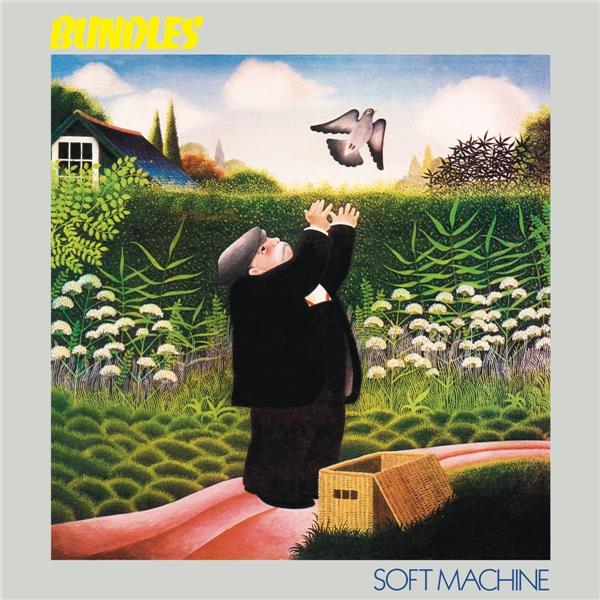
'Softs' (1976) and 'Bundles' (1975) were released on the Harvest label in the UK, both available on vinyl and influential in their jazz-rock style.
'Live At The Baked Potato' (2020) is a notable live album available on limited edition vinyl, capturing the band's live jazz-rock performance.
Soft Machine vinyl albums are available through specialized French distributors and shops that stock progressive rock and jazz fusion releases.
Essential tracks include 'Moon in June', 'Out-Bloody-Rageous', 'Priscilla', and 'Slightly All the Time' among others from their prog and jazz fusion catalog.
Transparency
This profile is compiled by the vinyles.com editors from public sources and our marketplace.