
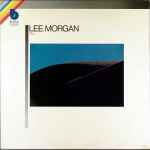
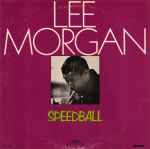
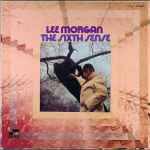
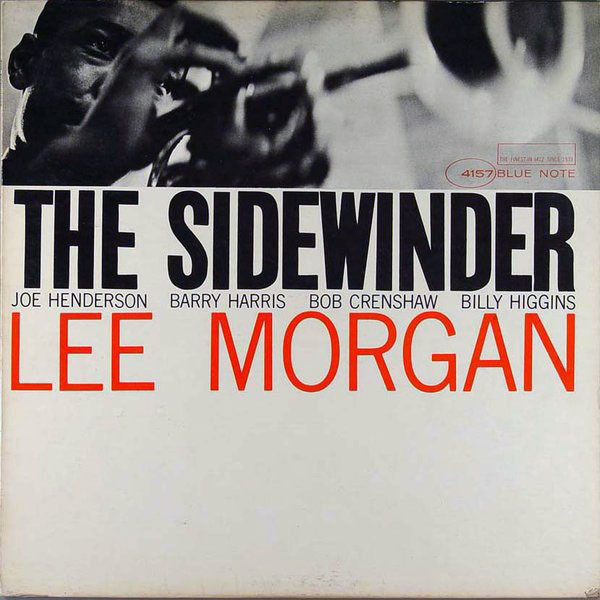
Morgan's breakthrough hard bop album with a catchy title track that boosted Blue Note’s commercial success; remains a sought-after pressing for collectors.
Artist page · 04/07/2026
Lee Morgan
About
Lee Morgan, American hard bop trumpet virtuoso from Philadelphia’s jazz scene.
22 vinyl albums available, including Blue Note classics with original and reissue pressings tracked live.
Lee Morgan emerged as a formidable trumpet voice of hard bop and soul jazz. Beginning his recording career as a leader in 1956, Morgan played with legends like Art Blakey, Wayne Shorter, and John Coltrane. His albums often featured the distinct Blue Note quintet sound, mixing trumpet, saxophone, piano, bass, and drums with a funky, soulful edge. Throughout his career, he crafted a discography rich with iconic albums spanning bebop and hard bop grooves recorded mainly at Blue Note Records.
Vinyles.com offers a comparison of over 20 Lee Morgan vinyl albums, including essential releases such as The Sidewinder, Caramba, and The Procrastinator.
Discography
Lee Morgan — Discography
Studio albums, EPs and notable live records, from newest to oldest. Drag the timeline to browse.
Blue Note · 1998
Blue Note · 1984
Blue Note · 1981
Blue Note · 1980
Blue Note · 1980
Blue Note · 1979
Blue Note · 1978
Blue Note · 1978
TRIP · 1974
TRIP · 1974
Blue Note · 1972
Blue Note · 1971
Blue Note · 1969
Blue Note · 1969
Blue Note · 1968
Blue Note · 1968
Blue Note · 1967
Blue Note · 1967
Blue Note · 1966
Blue Note · 1965
Blue Note · 1964
Jazzland · 1962
Blue Note · 1961
Vee Jay Records · 1961
Vee Jay Records · 1960
Roulette · 1959
Roulette · 1959
Blue Note · 1958
Blue Note · 1958
Blue Note · 1958
Liberty · 1957
Blue Note · 1957
Blue Note · 1957
Blue Note · 1957
Specialty · 1957
Blue Note · 1957
Savoy Records · 1956Playlist
Signature tracks
The tracks that sum up Lee Morgan's career.

The essentials
The 3 Lee Morgan albums you absolutely need
Our pick, validated by the editorial team.
Post-bop and hard bop exploration featuring tracks like 'Caramba' and 'Suicide City', reflecting Morgan’s evolving style late 60s jazz scene.
A later Blue Note album released posthumously, showcasing Morgan’s advanced hard bop compositions and extended improvisations across 13 tracks.
Go further
Artists similar to Lee Morgan
Artists who share part of Lee Morgan's musical DNA.
Collectors
For vinyl die-hards
The hidden side of the catalogue: rare pressings, sought-after matrices, Discogs values.
Market values (source: Discogs)
For each reference edition, these cards summarise the state of the global Discogs market. Market position places the average price of a copy between the observed min and max prices. Average price is the price seen for a mint-condition copy. Copies available counts listings currently for sale. Collectors who want it is the number of Discogs users who added it to their wantlist without owning it — a good signal of upcoming demand.
Notable pressings & editions
The “Why this rarity” column comes from our upstream sourcing work: for each album, we explain what makes this pressing sought after by collectors (limited run, specific matrix, withdrawn edition…).
Face B
Side B: the hidden stories of Lee Morgan
Studio secrets, touring anecdotes and B-sides worth the whole album.
"Lee Morgan's style epitomizes the classic Blue Note quintet sound of the 1960s with its distinctive soul jazz groove."— Jazz commentary
The Procrastinator original pressing details
The Procrastinator was issued in 1978 on Blue Note with the catalog number BN-LA582-J2. The original US pressing fetches prices around 35 to 39 euros depending on condition and has 13 tracks featuring Morgan’s signature hard bop style.
High-value Japanese pressing of The Gigolo
A 1968 Japanese stereo pressing of The Gigolo on Blue Note, catalog BST 84212, commands prices up to 250 euros, much higher than US versions, reflecting scarcity and collector interest.
Collaborations with jazz greats
Morgan recorded with prominent saxophonists like Wayne Shorter and Joe Henderson and pianists like McCoy Tyner. His quintets typically featured funky hard bop arrangements with trumpet and tenor sax.
Starting career with Dizzy Gillespie
At age 18, Lee Morgan joined Dizzy Gillespie’s orchestra, gaining early experience in bebop before leading his own sessions starting in 1956.
Records by Lee Morgan
See all
FAQ
FAQ: Lee Morgan on physical formats
The most common questions about pressings, reissues and limited editions.
Who was Lee Morgan and what jazz style is he known for?
Lee Morgan was a Philadelphia-born American trumpet player known primarily for hard bop, a jazz style blending bebop with soul and blues influences.
What are some essential Lee Morgan vinyl records to collect?
Key records include The Sidewinder (1964), Caramba (1968), and The Procrastinator (1978), all available in various pressings and reissues tracked for vinyl prices.
When did Lee Morgan start recording as a leader?
He began recording as a bandleader in 1956 after a stint with Dizzy Gillespie's orchestra in the early 1950s.
What is the significance of the album The Sidewinder?
The Sidewinder was Morgan’s commercial breakthrough as a hard bop artist, popularizing Blue Note’s signature sound and bringing wider audiences to jazz.
Where was Lee Morgan born and where did he die?
He was born in Philadelphia and died in New York City in 1972.
How can I identify original Lee Morgan Blue Note pressings?
Look for Blue Note labels on vinyl from the 1960s, catalog numbers like BN-LA582-J2, and limited availability at higher price points indicate original pressings.
Are there notable pressings of Lee Morgan’s The Gigolo album?
Yes, the Japanese 1968 stereo pressing on Blue Note, catalog BST 84212, is highly sought after and often priced significantly higher than US reissues.
What kind of ensemble did Lee Morgan typically lead in the 1960s?
He usually led quintets featuring trumpet, tenor saxophone, piano, bass, and drums, creating the classic Blue Note hard bop sound.
Transparency
Sources & method
This page is compiled by the vinyles.com editorial team from public sources and our marketplace.
Our method
- Discographic data from MusicBrainz (dates, countries, activity period).
- Tracklists, artwork and genres retrieved via Discogs Masters.
- Values (low / median / high) and stock from the Discogs Marketplace.
- Audience and similar artists via Last.fm.
- Page updated automatically and reviewed by the editorial team.


