
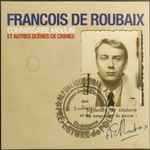
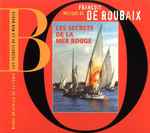

Key 1970 soundtrack blending jazz and easy listening, highly collectible with original French Philips pressing rare on vinyl.
Artist page · 05/07/2026
François de Roubaix
About
François de Roubaix, French film composer and musical pioneer of the 1960s-70s.
Over 6 vinyl albums, including highly sought after 1970s original soundtrack pressings.
François de Roubaix shaped French film music with a decade of work that brought fresh sound textures and instrumental diversity. Starting as a self-taught jazz musician, he integrated early synthesizers into his compositions and built one of the first 8-track home studios in Paris during 1972. His scores frequently accompanied notable French cinema and television productions, collaborating with directors like Robert Enrico and Jean-Pierre Melville. His 6 main vinyl releases reflect a prolific output ranging from jazz-infused soundtracks to pop influences.
Among these, the original 1970 vinyl of "L'Homme Orchestre" commands attention for its rarity and high collector demand, whereas "La Scoumoune" from 1972 and the soundtrack for "Le Samouraï" remain staples for those exploring vi…
Discography
François de Roubaix — Discography
Studio albums, EPs and notable live records, from newest to oldest. Drag the timeline to browse.
Music On Vinyl · 2018
WéMè Records · 2015
Rambling Records · 2015
Disques Dreyfus · 2003
CAM · 1972
Barclay · 1971
Philips · 1970
Philips · 1969
Philips · 1968Playlist
Signature tracks
The tracks that sum up François de Roubaix's career.

The essentials
The 3 François de Roubaix albums you absolutely need
Our pick, validated by the editorial team.
Soundtrack album for the 1972 film, known for its rich jazz score and multiple vinyl pressings including coveted original French CAM release.
Modern vinyl reissue of the soundtrack for Jean-Pierre Melville's "Le Samouraï" featuring 21 tracks with alternative versions and remixes.
Go further
Artists similar to François de Roubaix
Artists who share part of François de Roubaix's musical DNA.
Collectors
For vinyl die-hards
The hidden side of the catalogue: rare pressings, sought-after matrices, Discogs values.
Market values (source: Discogs)
For each reference edition, these cards summarise the state of the global Discogs market. Market position places the average price of a copy between the observed min and max prices. Average price is the price seen for a mint-condition copy. Copies available counts listings currently for sale. Collectors who want it is the number of Discogs users who added it to their wantlist without owning it — a good signal of upcoming demand.
Notable pressings & editions
The “Why this rarity” column comes from our upstream sourcing work: for each album, we explain what makes this pressing sought after by collectors (limited run, specific matrix, withdrawn edition…).
Face B
Side B: the hidden stories of François de Roubaix
Studio secrets, touring anecdotes and B-sides worth the whole album.
He created a musical style with new sounds, blending jazz, synth, and cinematic tones over just ten years.— Music Community Summary
Pioneer of home studio recording in 1972
In 1972, François de Roubaix set up one of the first 8-track home studios in his Paris apartment on rue de Courcelles, allowing him to experiment extensively with synthesized sounds and layered arrangements.
Posthumous César for Le Vieux Fusil
He was awarded the César for best music posthumously in 1976 for the soundtrack of "Le Vieux Fusil," signaling recognition beyond his lifetime.
Composer for Jean-Pierre Melville's 'Le Samouraï'
De Roubaix composed the soundtrack for the 1967 film "Le Samouraï," which was reissued on vinyl in 2018 by Decca with extended and alternative tracks.
Rare original pressing of L'Homme Orchestre
The original 1970 Philips album of "L'Homme Orchestre" has a want/have ratio of 11:1 with 690 wanting and 63 copies known, making it one of the rarest François de Roubaix LPs on vinyl.
Records by François de Roubaix
See allFAQ
FAQ: François de Roubaix on physical formats
The most common questions about pressings, reissues and limited editions.
Who was François de Roubaix?
François de Roubaix was a French composer known for his film and television soundtracks from the 1960s and early 1970s, pioneering electronic and jazz music in cinema.
Which vinyl albums by François de Roubaix are best known?
Notable vinyl albums include the original 1970 "L'Homme Orchestre," 1972's "La Scoumoune," and the 2018 reissue of "Le Samouraï," all sought after by collectors.
What genres did François de Roubaix compose in?
He composed primarily in film soundtracks blending jazz, pop, and early electronic music, often integrating synthesizers and diverse instrumentation.
Are original pressings of François de Roubaix albums rare?
Yes, original pressings, especially of "L'Homme Orchestre," are rare with very limited copies available on vinyl and high collector interest.
Where was François de Roubaix from?
François de Roubaix was born in Neuilly-sur-Seine, France, in 1939.
What is the price range for François de Roubaix's vinyl records in France?
Prices vary widely; for example, the original "L'Homme Orchestre" can fetch very high prices, while other pressings and reissues range from moderate to premium values.
Which François de Roubaix albums are available on colored vinyl?
"Les Lèvres Rouges" soundtrack is available as a colored vinyl edition, released by Music On Vinyl in 2019 with limited edition and numbered copies.
Why is François de Roubaix important for vinyl collectors?
He is admired for pioneering film music blending new sounds and for producing rare and collectible vinyl pressings prized among soundtrack and audiophile communities.
Transparency
Sources & method
This page is compiled by the vinyles.com editorial team from public sources and our marketplace.
Our method
- Discographic data from MusicBrainz (dates, countries, activity period).
- Tracklists, artwork and genres retrieved via Discogs Masters.
- Values (low / median / high) and stock from the Discogs Marketplace.
- Audience and similar artists via Last.fm.
- Page updated automatically and reviewed by the editorial team.


