
#1 · 1972
A cornerstone free jazz record blending soul and blues. Features a 10-track lineup with politically charged themes.
10 tracksStereoImpulse! label1972 US pressing
Artist page · 04/07/2026
About
28 vinyl releases, including 1972's Attica Blues and 1974's Kwanza; prized original pressings on Impulse! fetch premium prices.
Archie Shepp is a tenor and soprano saxophonist known for his bold tone and powerful expression across a career spanning over six decades. Starting in Paris in the late 1950s, he emerged alongside pioneers like Cecil Taylor in the free jazz movement. His work in the early 1970s as bandleader of Attica Blues combined soul and blues influences, shaping much of his later output. Shepp has recorded extensively, collaborating with jazz luminaries such as John Coltrane, Philly Joe Jones, and Bill Dixon among others.
His discography exceeds 1300 releases, featuring influential albums like Four For Trane (1965), Blasé (1969), and The Magic of Ju-Ju (1967). Many of these titles appear on labels including Impulse!, BYG Records, and America Records.
Discography
Studio albums, EPs and notable live records, from newest to oldest. Drag the timeline to browse.
 Uniteledis · 1976
 Inner City Records · 1976
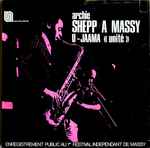 Uniteledis · 1976
 Horo Records · 1976
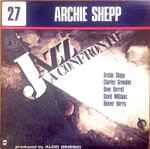 Horo Records · 1976
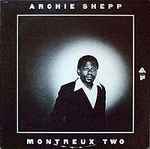 Arista · 1976
 Musica Records · 1976
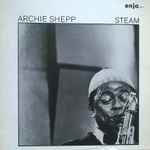 Enja Records · 1976
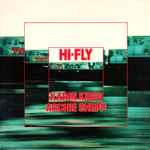 Compendium Records · 1976
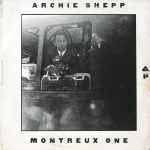 Arista · 1976
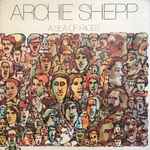 Black Saint · 1975
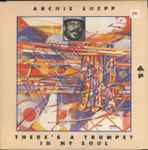 Arista · 1975
 ABC Impulse! · 1974
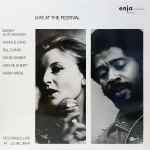 Enja Records · 1973
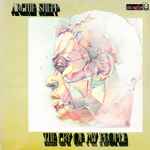 Impulse! · 1973
 Impulse! · 1972
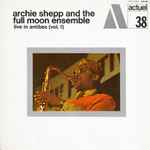 BYG Records · 1971
 BYG Records · 1971
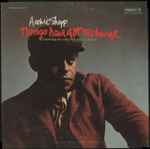 Impulse! · 1971
 BYG Records · 1971
 America Records · 1970
 America Records · 1970
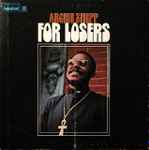 Impulse! · 1970
 America Records · 1970
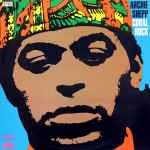 America Records · 1970
 BYG Records · 1969
 BYG Records · 1969
 Impulse! · 1969
 BYG Records · 1969
 Impulse! · 1968
 Impulse! · 1967
 Impulse! · 1967
 SABA · 1967
 Impulse! · 1966
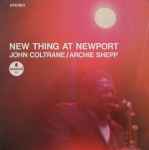 Impulse! · 1966
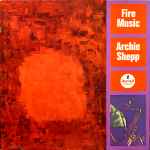 Impulse! · 1965
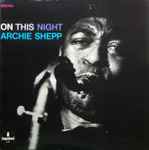 Impulse! · 1965
 Impulse! · 1965
 Savoy Records · 1964
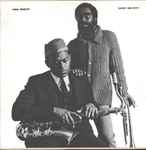 Savoy Records · 1963
Playlist
The tracks that sum up Archie Shepp's career.
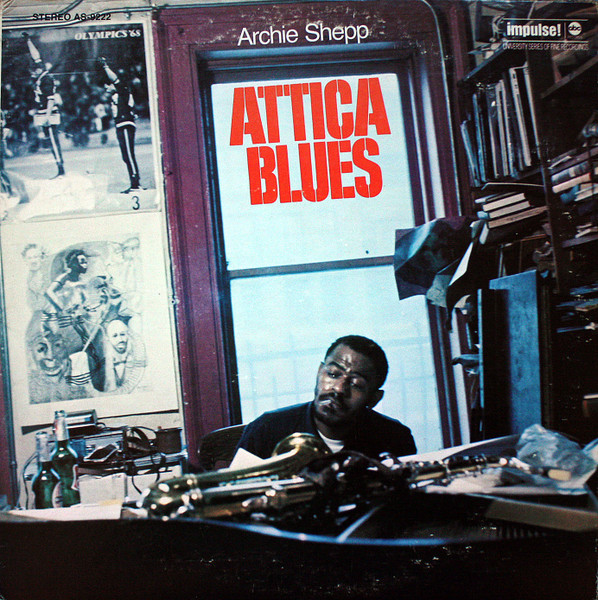
The essentials
Our pick, validated by the editorial team.
A cornerstone free jazz record blending soul and blues. Features a 10-track lineup with politically charged themes.
Shepp’s 1974 album showcasing avant-garde jazz with extended compositions across five tracks.
A soul-jazz and free jazz blend featuring five tracks, notable for dynamic expressions and longer compositions.
Go further
Artists who share part of Archie Shepp's musical DNA.
Collectors
The hidden side of the catalogue: rare pressings, sought-after matrices, Discogs values.
For each reference edition, these cards summarise the state of the global Discogs market. Market position places the average price of a copy between the observed min and max prices. Average price is the price seen for a mint-condition copy. Copies available counts listings currently for sale. Collectors who want it is the number of Discogs users who added it to their wantlist without owning it — a good signal of upcoming demand.
Face B
Studio secrets, touring anecdotes and B-sides worth the whole album.
My playing is rooted in emotion and history, using my saxophone to speak for the struggle and soul of African Americans.— Archie Shepp
Recorded in 1974 and released on Impulse!, Kwanza features five extended tracks such as 'Back Back' and 'New Africa'. The quadraphonic LP pressing is sought after by collectors.
Issued by BYG Records in 1971, this album documents Shepp's free jazz set at the Panafrican Festival held in France. It includes the three-part 'We Have Come Back'.
Archie Shepp's early career included collaboration with John Coltrane, contributing to avant-garde jazz breakthroughs during the 1960s.
Released in 1967 on Impulse!, The Magic Of Ju-Ju blends post bop and spiritual jazz styles across four intense tracks and remains a reference in Shepp’s output.
FAQ
The most common questions about pressings, reissues and limited editions.
Archie Shepp is mainly known for free jazz, avant-garde jazz, soul jazz, and post-bop styles throughout his career.
His major vinyl releases are found on labels like Impulse!, BYG Records, America Records, and Scorpio among others.
Original pressings, especially 1970s Impulse! releases like Attica Blues or Kwanza, are sought after and often command premium prices.
Live At The Panafrican Festival (1971, BYG Records, France) is a well-regarded live album capturing his free jazz performances.
His tenor and soprano saxophone playing is noted for sharp phrasing, dynamic note ranges, and a powerful expressive quality.
He began performing in Paris in the late 1950s, playing at clubs such as Le Chat qui pêche and collaborating with European jazz musicians.
French pressings of albums like Kwanza or Live At The Panafrican Festival appear in local vinyl shops and European online marketplaces.
Collaborations with Cecil Taylor, John Coltrane, Philly Joe Jones, and Bill Dixon contributed significantly to his avant-garde and free jazz style.
Transparency
This page is compiled by the vinyles.com editorial team from public sources and our marketplace.
[title]
[message]Love it? Add to your wishlist
Your favorites, all in one place. Shop quickly and easily with the wishlist feature!


